
An attic upgrade can sound straightforward until someone asks whether all the old insulation must be removed. Suddenly, you are comparing two very different projects and wondering which recommendation to trust.
In many Texas homes, additional insulation can be installed over suitable existing attic insulation. Age alone is not enough to decide. Moisture, contamination, material condition, needed repairs, and the installation plan should determine whether it stays or comes out.
September is a useful time to sort out that decision. Summer comfort problems are still fresh in your mind, and you can plan improvements before colder weather becomes the reason for an urgent call.
Start with condition, not a birthday
"It has been there a long time" tells you less than an assessment of what is actually present.
Ask what material is in the attic, where coverage is incomplete, and whether there is evidence of damage. Also ask what must be accessible before new material is installed.
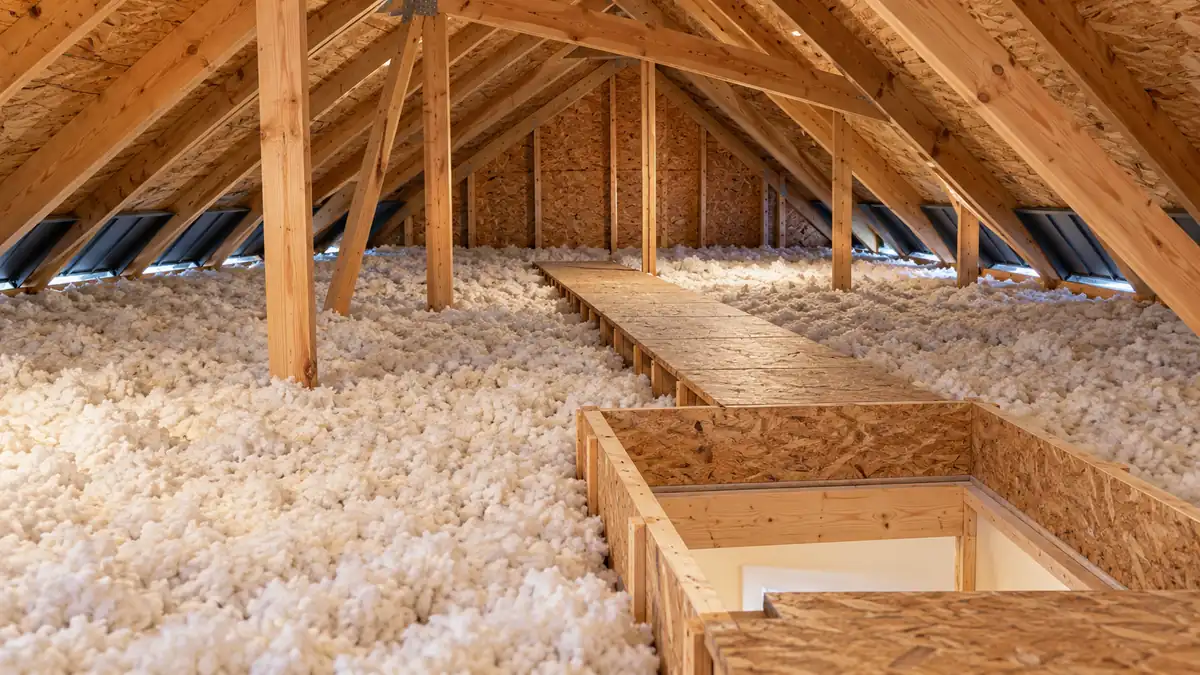
ENERGY STAR's attic-upgrade guidance says removal is usually unnecessary when existing insulation is suitable, while calling out wet, moldy, smelly, or animal-waste-contaminated material as concerns.
A contractor recommending full removal should be able to explain the reason. A contractor recommending a top-up should be able to explain why the existing material is appropriate to keep.
When adding material may be a reasonable option
A top-up may be worth discussing when the existing insulation is dry, suitable, and free of contamination, with a plan to address preparation and coverage.
It is not enough to select a depth by appearance. Product-specific information matters. The FTC's insulation-labeling guidance emphasizes disclosures such as R-value, thickness, and coverage. Ask how the proposed installed result will be documented for the material used.
Your estimate should explain the intended outcome rather than simply promise "a few more inches."
When to pause before covering anything
Some findings call for a different conversation:
- A leak or wet area: Identify and correct the source before covering it.
- Suspected contamination: Determine what specialist evaluation or cleanup is needed.
- Material that cannot be identified confidently: Clarify what it is before disturbing it.
- Required repairs or preparation: Agree on access and work sequence before installation.
Age alone is not enough to decide.
The EPA's moisture guidance stresses correcting the water problem rather than only treating its visible effects. New insulation is not a substitute for fixing an active leak.
If material may be vermiculite, leave it undisturbed and seek qualified advice. The EPA advises treating vermiculite attic insulation as potentially asbestos-contaminated. A routine insulation estimate is not an asbestos assessment or an authorization to remove it.
Compare two scopes in writing
If you receive both a top-up quote and a removal-and-replacement quote, ask each contractor to explain:
What specific finding supports this approach?
What preparation, repair, or specialist work is excluded?
What material and installed performance are included?
How will the work area and finished result be documented?
What would change the price after work begins?
These questions are not an accusation. They help you understand whether the quotes address the same conditions.
Removal can be appropriate. Keeping suitable material can also be appropriate. The right decision should be supported by the condition of your home, not by a universal rule that old insulation is always bad or always safe to cover.
Get a plan that fits what is already there
All Star lists insulation removal and other insulation services. The team can discuss the existing material and the proposed scope for your home. Specialist hazards may require another qualified provider.
For a Temple-area project, request a free estimate or call (254) 831-3027. Ask for an explanation of what can stay, what needs attention, and why.
Frequently asked questions
Does old insulation automatically need replacement?
No. Its condition and suitability matter more than age alone. An assessment should guide the recommendation.
Can new insulation hide an existing leak?
It can cover evidence without solving the problem. A suspected leak or moisture issue needs attention before installation proceeds.
Can I move suspected vermiculite to see what is underneath?
No. Avoid disturbing it and seek qualified advice because it may contain asbestos.
Get a plan that fits what is already there
Ask for an explanation of what can stay, what needs attention, and why.